
Can You Take a Cooking or Craft Class in Taichung? (2026)
November 17, 2026・TC Time Walk, Taichung
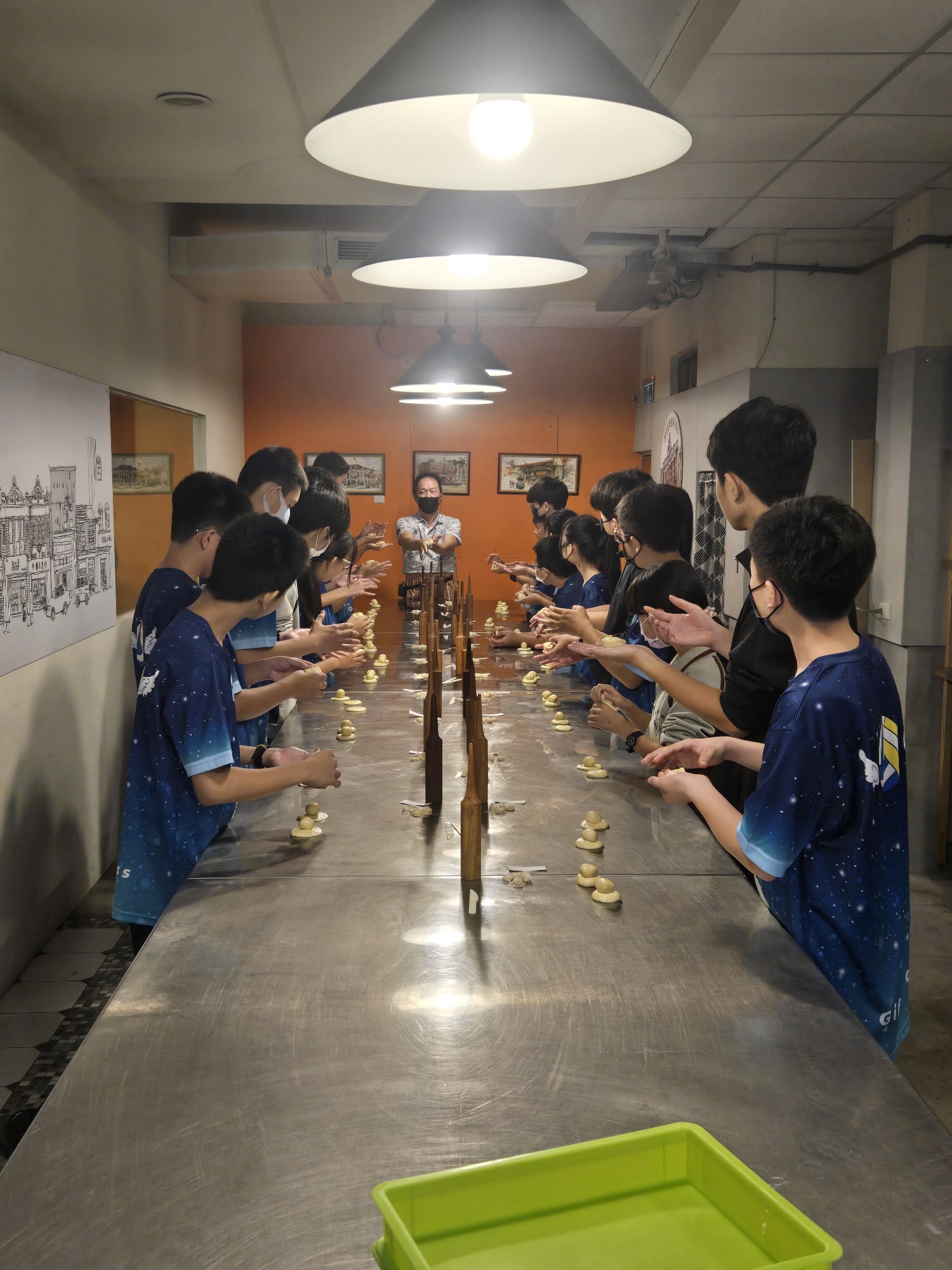
Yes, but the honest version is more complicated than a booking page makes it look. Taichung has cooking studios, baking classes, and occasional pastry and handcraft sessions. Most of them are taught in Mandarin Chinese, run by small studios rather than tourist-facing schools, and booked days or weeks ahead. English sessions exist, but not on a fixed timetable. If you have two or three days here and want to make something with your hands, this is how to find a class, what to ask before you pay, and what to do if nothing lines up.
Quick facts
- Where it is: Taichung sits in west-central Taiwan, about an hour south of Taipei on the HSR, Taiwan's high speed rail line down the west coast
- What exists: small private cooking and baking studios, plus occasional pastry-making and handcraft sessions run by old-town shops and local tour operators
- Language: mostly Mandarin. English sessions happen, but they are arranged rather than scheduled, so ask early
- How long: a single session usually runs about two hours
- What it costs: our own sessions have run anywhere from free to around NT$2,000 (NT$ is the New Taiwan dollar, so roughly US$60) for one in-person session, and online ones start around NT$200 (roughly US$6). Other studios set their own prices
- Booking: assume days ahead, not same day
What kinds of classes actually exist in Taichung?
Three broad kinds, and they are easy to confuse when you are searching in English.
The first is the private cooking or baking studio. These are small spaces, often in residential neighbourhoods away from the old town, teaching home cooking, Western dishes, or baking to people who live here. They are good, and they are not built for travellers: the listings are in Chinese, the schedule assumes you can come back next week, and the class fills with regulars.
The second is the pastry or snack session attached to a shop. Taichung is known in Taiwan for the sun cake, a flaky round pastry with a soft maltose centre, and some places will let you shape and fill your own. These sessions come and go, and they are usually short.
The third is the handcraft workshop run by a cultural or tour organisation, including us. Think of a two-hour sitting-down session with someone who does the thing for a living. These are the easiest to join without speaking Chinese, and the hardest to plan around, because they open when a date and a teacher line up rather than every Saturday.
If you search in English, you will mostly find the first kind reviewed by Chinese-language sites, or cooking classes in Taipei. That is not because Taichung has nothing. It is because almost nobody has written the Taichung answer in English.
Will the class be in English?
Ask before you pay, and ask it plainly: will the teacher explain in English, or will someone translate?
A lot of studios will say yes to a booking and then teach in Mandarin with a few English words, which is fine for baking, where you can copy what you see, and frustrating for anything where the explanation is the point. Cooking by imitation works better than you would expect. Understanding why the dough rests for that long does not.
Our own sessions sometimes run in English and sometimes do not, depending on who is teaching. We would rather tell you that than promise something we cannot staff.
How far ahead do I need to book?
Days, not hours. Small studios buy ingredients per head, so a same-day request usually gets a polite no. A week is comfortable. If you are coming during a long weekend or a school holiday, make it more.
This is the single thing that catches travellers out. People arrive in Taichung, decide on the second morning that a cooking class sounds good, and find that everything needs three days' notice. If a class matters to you, send the message before you fly.
Can I make my own sun cake or bubble tea?
Sometimes, and it is worth knowing what you are walking into.
Sun cake sessions are the most common hands-on food thing in Taichung, because the pastry is local and the steps are simple enough to teach in an hour. Who made the first one is a different question. Two shops both claim it, the argument is about a century old, and our guides have opinions they will happily share with you on the street.
Bubble tea, tea with chewy tapioca pearls at the bottom, is also often traced to Taichung, and more than one tea house says it was them. We do not pick a side. Shaking your own cup is a fun twenty minutes, but it is a souvenir activity rather than a cooking class, so set your expectations accordingly.
What our guides notice
We walk the old town, the dense blocks around Taichung Station, several times a week, and the thing we notice is that you do not always need a class to watch someone work.
There are still shops in those blocks that sell the materials other people make things out of, and shops that repair rather than replace. The doors are open to the street. Someone is at a table, doing something with their hands, and they have been doing it for a long time. You can stand outside and watch for a few minutes, and most people will let you, especially if you ask first rather than lifting a camera.
In the market in the morning, the same thing happens with food. People are making noodles, wrapping, cutting, portioning, at a speed that only comes from repetition. It is the best unpaid class in the city.
The part we would gently push you towards: if you do find a session with someone who still does the work by hand, the fee goes to a person whose skill stays in use because people still pay to learn it. That is a more direct thing than it sounds.
What to do if no class lines up
This happens often, so have a second plan.
Spend a morning in the old town market watching food being made, then eat small portions at three or four stalls instead of one big meal. Bring cash and small notes, because plenty of stalls take nothing else. Walk the blocks around the station and look into the open doorways of the trade shops. If it rains, the market has a roof and the arcades along the older streets do too, so the plan survives.
None of that needs booking, none of it needs Chinese, and it answers the question underneath "can I take a class" better than most classes do, which is: can I see how things here are actually made.
Our own hands-on sessions run irregularly rather than on a timetable, and they appear on our activities page when a date opens, so it is worth a look before you arrive. If nothing is scheduled while you are in town, our tip-based old town walk runs on a fixed schedule, weekday evenings at 7pm and three times a day at weekends, and goes past several of the places where the work is still done by hand.
Frequently asked questions
- Can I book a cooking class in Taichung for tomorrow?
- Usually no. Most studios here are small and buy ingredients per head, so they want days of notice rather than hours. Send your message a week out if you can, and more if you are travelling over a holiday.
- Are there cooking classes in Taichung taught in English?
- Some, but not on a fixed schedule. Ask directly whether the teacher will explain in English or whether someone will translate, because a yes to the booking does not always mean a yes to the language.
- Is there a vegetarian or vegan cooking class in Taichung?
- Vegetarian food itself is easy to find in Taiwan, but a class menu is usually fixed for that session, so a vegetarian version depends on the day. Ask when you enquire rather than assuming it can be swapped.
- Do I need to bring anything to a class in Taiwan?
- Normally just yourself and cash as a backup, since some small studios do not take cards. Tie long hair back and wear shoes you can stand in for two hours. If you want to take food home, a small bag helps.
- Is a class a good rainy-day plan in Taichung?
- Yes, if you booked it before the rain started. If you did not, the old town market has a roof and the arcades along the older streets do too, so a walk there survives a wet afternoon without any booking.
- Can children join a cooking or craft class?
- It depends on the studio, and minimum ages vary, so ask before you pay. Pastry sessions tend to suit children better than knife work, because the steps are short and there is something to carry out at the end.