
Taichung Old Town in Half a Day: Is It Enough? (2026)
October 17, 2026・TC Time Walk, Taichung
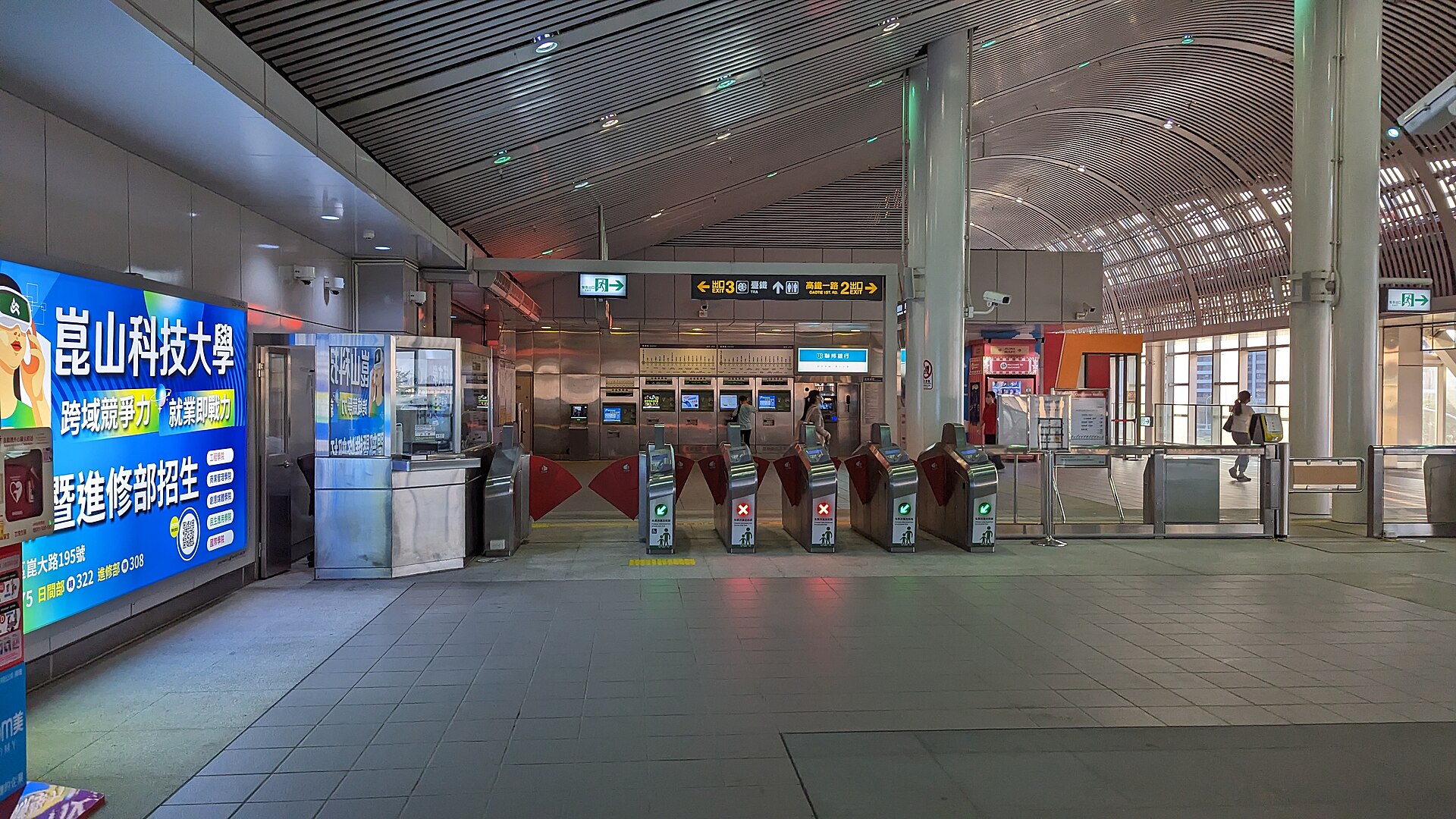
Yes, half a day is genuinely enough for Taichung's old town, as long as you walk it as one neighbourhood instead of a list of sights. The old town is the few hundred metres of streets around Taichung's original railway station, in central-western Taiwan. Everything below is within walking distance of that station, so you can arrive by train, walk for three or four hours, eat twice, and still leave the same afternoon. What you will not fit into half a day is the coast, the mountains, or the big night markets further out.
Quick facts
- Where it is: central-western Taiwan, about an hour south of Taipei on the high-speed rail, the fast north-south train line most people call the HSR.
- How to get there: the HSR station for Taichung is in Wuri, a separate district, and a short local train ride connects it to Taichung Station, which is the one in the old town. Ordinary trains from Taipei go straight to Taichung Station, so if the old town is your goal, the slower train can be the simpler choice.
- How long to give it: half a day on foot for the old town, a full day if you like sitting in cafes, two days if you want to add the coast or Sun Moon Lake, a large lake up in the mountains inland.
- What it costs: walking costs nothing. Our tip-based old town tour has no set price, you decide afterwards. Our phone-guided city hunt is NT$399 per person, roughly US$12.
- Best time: start in the morning if you want the markets, or mid-afternoon if you would rather end in the evening. Summer afternoons bring short heavy showers, and the covered walkways in front of the shops, which locals call arcades, keep you reasonably dry.
What is Taichung's old town, exactly?
It is the oldest commercial part of the city, laid out on a grid around the original railway station, and it is still a working neighbourhood rather than a preserved district. People live upstairs, shops open and close, and some of the buildings have been doing business continuously for generations while others sit empty.
That matters for a half day, because it means there is no single entrance and no ticket. You are not visiting an attraction. You are walking a few blocks where the street itself is the thing to look at, and your route can be short because the blocks are short.
One thing worth knowing: Taichung has no single centre. The old town is one of several busy areas, and the parts of the city most foreign visitors have heard of, the big night markets and the newer shopping districts, are a bus or taxi ride away. Half a day in the old town is a complete experience on its own, not a compromise.
What does half a day look like, street by street?
Start at the station. The old station building stands next to the one trains use now, and the square in front of them is where most walking routes begin, including ours.
From there, walk into the grid. Within about ten minutes on foot you can reach the covered Second Market, where people still do their daily shopping, the former prefectural hall, a large public building that has been brought back into use, and the Green River, a narrow canal with a walkway along it. Zhongshan Road, one of the old town's main streets, runs through the middle of all this.
The honest version of the route is this: walk, stop, look up, eat something, walk again. Three to four hours is comfortable. If you have only two hours, do the station, the market, and one street in detail, and leave the rest.
Where should I eat?
In the morning and around lunch, eat in or near the markets. The old town's markets are morning businesses, and many stalls pack up in the early afternoon, so an evening visitor will find them shut and should look along the streets instead, where noodle stands, rice dishes and fried snacks open later.
Two things you will be told to try. Sun cake is a flaky pastry with a soft maltose centre, sold all over the old town, and more than one shop says it made the first one. Bubble tea, black tea with chewy tapioca pearls, has a similar story: two different Taichung tea houses both claim they invented it, and that argument has been going on for decades. We tell travellers both versions and let them pick a side.
Opening hours in the old town are genuinely inconsistent, including closed weekdays. If there is one specific shop you came for, check its hours the morning you go.
What our guides notice
The arcades are not level. Each shop built the covered walkway in front of its own door, so the floor rises and drops a few centimetres from one building to the next, and the step is easier to feel than to see. We watch travellers' feet more than their faces on that stretch.
We also notice how much the second floors tell you. Look up, and you will see laundry, window grilles, a lamp on in one flat, a different style of tiling on each building. At street level the old town looks like shop fronts. One floor up, it looks like somewhere people live, because they do.
And the market benches. In the Second Market, the stalls that locals queue for are usually the ones whose benches are worn pale in the middle. That is not a rule we invented, it is just what years of elbows do to wood.
Do I need a car, a scooter, or a taxi?
Not for this. The old town is flat and walkable, and the half day described here never needs a vehicle, which is why we recommend arriving by train rather than driving in and looking for parking.
You will need transport for the rest of central Taiwan. The coast, the hot spring valleys, Lukang's old streets in the next county, and Sun Moon Lake all involve a bus, a train plus a bus, or a car with a driver. Our own walking tours stay in the old town, and when travellers want those day trips we hand them to our sister travel agency, which runs the vehicle-based trips around central Taiwan.
What do people get wrong about half a day here?
They try to tick off landmarks spread across the whole city, spend most of the time in taxis, and conclude Taichung is nothing special. The old town rewards the opposite approach: fewer blocks, more stopping.
The other mistake is timing. Arriving at four in the afternoon and expecting the markets is the single most common disappointment we see, and it is easy to avoid once you know that this neighbourhood does its main business early.
If you would rather not plan the route yourself, our tip-based old town tour leaves from the station on weekday evenings and three times a day at weekends, and you decide what to pay at the end. There is also a phone-guided version, a self-paced city hunt through the same streets, if you want to go at your own speed.
Frequently asked questions
- Can I do Taichung's old town as a half-day trip from Taipei?
- Yes. The HSR takes about an hour each way, and ordinary trains run straight into Taichung Station in the old town. Leave Taipei in the morning, walk the old town for three or four hours, and you are back the same evening.
- Is the old town walkable from Taichung Station?
- It starts at the station. The market, the main old streets and the canal walkway are all within roughly ten to fifteen minutes on foot, and the area is flat. Wear shoes you can walk in, because the covered walkways change height between buildings.
- What time should I start?
- Morning if you want the markets, because they are morning businesses and many stalls close in the early afternoon. Mid-afternoon works well if you would rather finish in the evening, when the shutters come down and the older signage underneath becomes visible.
- Is Taichung's old town worth it if I only have two or three hours?
- Two hours is enough for the station, the covered market and one street walked properly. Skip the longer list and go slower, because the interesting part here is the street itself rather than individual sights.
- Do people speak English in the old town?
- Some do, mostly younger shopkeepers and cafe staff. Market stalls and older shops often do not, and pointing, a translation app and the price on a calculator work fine. Nobody will be annoyed with you for not speaking Chinese.
- Do I need to book a guided tour, or can I just walk?
- You can absolutely just walk, and this guide is written so you can. A guide is worth it if you want the context behind the buildings and shops, which is hard to get from signage because most of it is not labelled.