
What Is a Taiwanese Breakfast? A Taichung Guide (2026)
October 29, 2026・TC Time Walk, Taichung
A Taiwanese breakfast is usually savory, usually bought rather than cooked at home, and usually eaten early. The classic set is dou jiang — soy milk, served hot or cold, sweet or salty — with something made from dough: a thin egg crepe, a sticky rice roll, or a sesame flatbread. Most traditional shops are small, open before dawn, and start packing up well before lunch. In Taichung they sit on residential lanes rather than on the big shopping streets, which is why visitors walk past them for days without noticing. Here is what to order, how to order it, and when to show up.
Quick facts
- What it is: mostly savory, cheap, eaten fast or taken away on a scooter
- The drink that anchors it: dou jiang, soy milk, hot or cold, sweetened or salty
- When: early. Many traditional shops wind down in the late morning, so check hours before you make a special trip
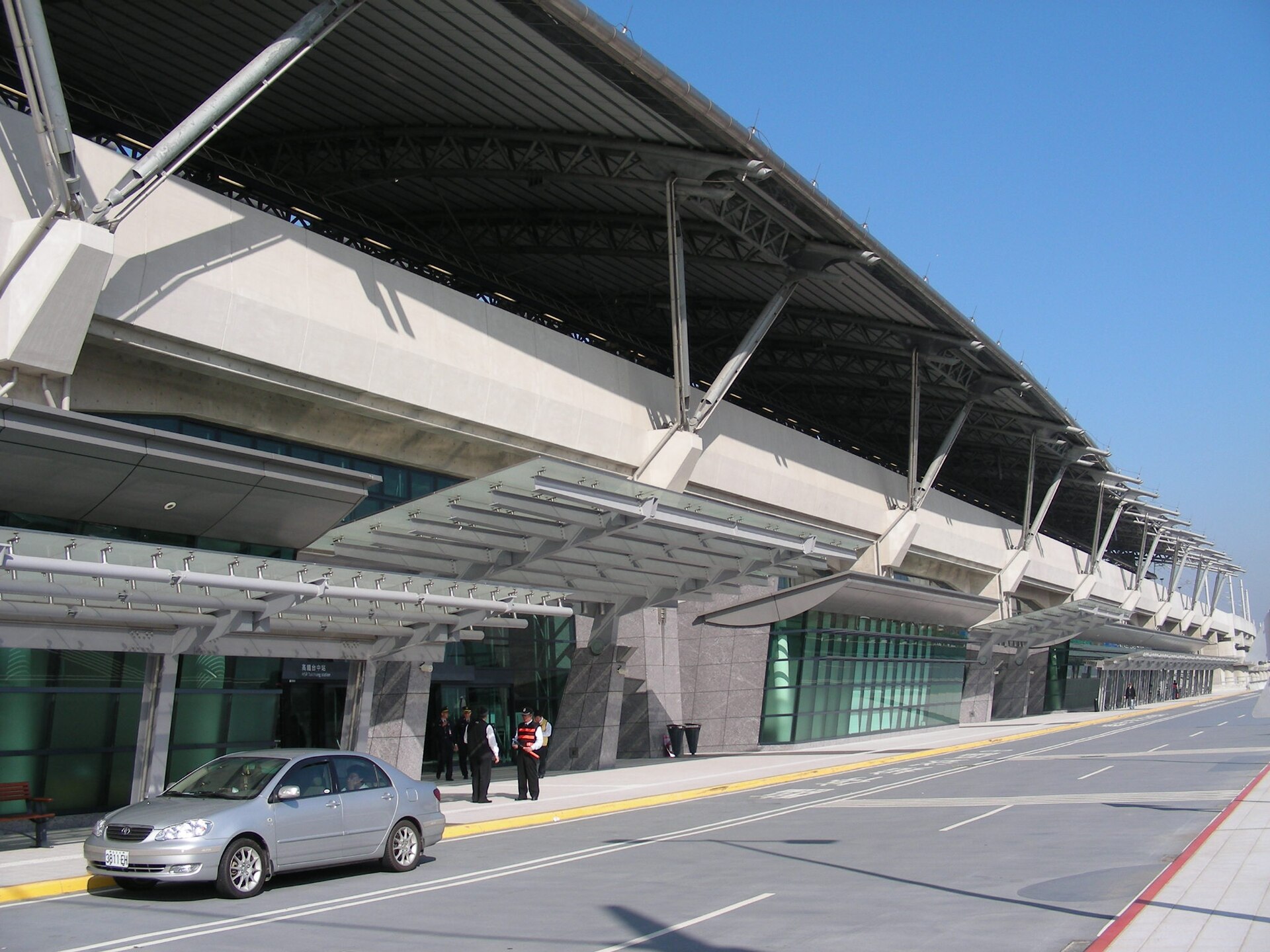
- Where in Taichung: the lanes around Taichung Station, the city's main railway station at the edge of the old town, and inside the traditional markets
- Paying: plenty of small shops are cash only
- Language: menus are often Chinese-only, and pointing works perfectly well
What counts as breakfast in Taiwan?
Two different things, and it helps to know which one you are walking into.
The first is the traditional Chinese-style breakfast shop: soy milk, flatbreads, fried crullers, rice rolls, sometimes rice porridge or a bowl of noodle soup. Stainless steel counters, plastic stools, a lot of steam. These are the ones that open earliest and close earliest.
The second is what Taiwanese people call a Western-style breakfast shop, which is Western the way a cover version is the original song: toast, egg, ham, fried chicken fillet, iced milk tea, all cooked on a flat griddle and served in a paper bag. These are everywhere, they run later into the day, and they are what a lot of people actually eat on a work morning.
Neither is sweet in the cereal-and-pastry sense. If you want a croissant and a flat white, Taichung has plenty of cafes, but they are a separate tradition and they open later.
What should I order the first time?
If you only try four things, try these.
Dan bing is a thin, soft crepe wrapped around egg, cooked on the griddle and cut into strips with scissors. It is the easiest first order and almost impossible to dislike.
Fan tuan is sticky rice rolled tightly around pickled vegetable, dried shredded pork and sometimes a fried cruller inside. It is denser than it looks and it is a whole meal.
Shao bing you tiao is a sesame flatbread split open with a fried dough stick inside — bread inside bread, which sounds odd and works.
Dou jiang is the soy milk. Hot and lightly sweetened is the gentle introduction. Xian dou jiang, the salty version, arrives as a loose warm curd in a bowl with vinegar, dried shrimp, pickles and crouton-like pieces of cruller, and it is one of those dishes people either adore immediately or never order again.
How do I order if the menu is only in Chinese?
Point. Everyone does it, nobody minds, and most shops have photos or a laminated board with the items laid out.
Three things will speed it up. Say hot or cold for the drink, because that is the question you will be asked. Say whether you are eating in or taking away, which is usually mimed easily enough. Have cash ready, since many small shops do not take cards and some do not take mobile payments either.
If it is the morning rush, order first and find a seat after. And if the person behind the counter looks at you, waits two seconds and then just makes something sensible, that is not rudeness — that is the house recommendation, and it is usually a good one.
When do shops open and close?
Traditional shops start very early, often while it is still dark, because their first customers are market vendors and delivery drivers. Many of them are finishing up by the late morning. The griddle-and-toast shops keep going longer, and a few run all day.
Opening hours vary shop by shop and change without much warning, so it is worth checking the day before rather than planning a long walk to one specific place. The good news is that density saves you: in any residential block you will usually find more than one option.
Where do I find breakfast near Taichung Station?
Walk two or three lanes back from the main road. The breakfast shops are not on the wide streets where the department stores are; they are where people live, which in the old town is often one turn away from where visitors walk.
Look for a shop with the characters for soy milk on the front, a counter opening straight onto the street, and a stack of steamer baskets. The traditional markets are the other reliable place: food gets served in them from early morning, and the morning crowd there is local rather than touristic.
What our guides notice
Our weekend walks meet at 10:00, and that happens to be the hour when a breakfast lane changes shift. The stools get stacked, someone hoses down the pavement, the griddle gets scraped, and the smell of soy milk is still hanging around even though the queue has gone. We honestly love that half-hour. It is the clearest reminder that the old town is a place where people live and work, not a set.
Here is the part we would not have guessed before we started walking the same streets every week: the people eating at seven are largely the same people who open the shops we stop outside at eleven. Breakfast is when the neighbourhood is getting itself ready. By late morning it is serving someone else.
One practical thing we notice constantly — breakfast is the meal people take with them. Bags hang from scooter hooks, cups go into the drink holder, and the whole transaction takes about ninety seconds. If you stand and watch for a bit before ordering, you will know exactly how it works by the time it is your turn.
So is it worth getting up early for?
For one morning, yes. Not because the food is rare, but because the city is doing something at seven that it is not doing at eleven, and you can see it for the price of a bowl of soy milk.
For every morning of your trip, probably not. You are on holiday, the griddle shops run later, and nobody in Taiwan will think less of you for eating breakfast at ten.
If you would rather have the morning already planned, our tip-based walking tours of the old town meet at 10:00, 13:30 and 16:30 on weekends and at 19:00 on weekdays, which leaves the early part of the day free for exactly this. If you prefer to go at your own pace, the AI city hunt starts whenever you do, from NT$399 per person for one, roughly US$12.
Frequently asked questions
- Do I need to book a Taiwanese breakfast shop?
- No. These are walk-in places, and most have no reservations at all. At peak time you may wait a few minutes or eat standing, and in a small shop it is normal to share a table with strangers.
- Is Taiwanese breakfast vegetarian-friendly?
- Partly. Plain dan bing crepes, soy milk, flatbreads and crullers are usually meat-free, but rice rolls often contain dried pork and savory soy milk can have dried shrimp. Taiwan also has dedicated vegetarian breakfast counters, often near temples, where everything on the board is meat-free.
- Can I get coffee at a Taiwanese breakfast shop?
- At the griddle-and-toast kind, yes, usually a simple drip or iced coffee alongside milk tea. Traditional soy milk shops generally do not serve coffee. For a proper espresso, wait for the cafes, which open later in the morning.
- What if I wake up late — have I missed breakfast?
- You have probably missed the traditional soy milk shops, but not breakfast. The Western-style shops run later, markets keep serving food into the middle of the day, and plenty of noodle and rice stalls open around lunchtime.
- Do breakfast shops take credit cards?
- Often not. Small breakfast shops are one of the last reliably cash-only corners of Taiwanese life, so carry small notes and coins. Convenience stores nearby all take cards if you get caught short.
- Is it rude to eat and leave quickly?
- Not at all. Breakfast is a fast meal here and tables turn over quickly, especially on weekday mornings. Taking your food away is just as normal as sitting down.