
Things to Do in Taichung: What We'd Actually Do (2026)
November 21, 2026・TC Time Walk, Taichung
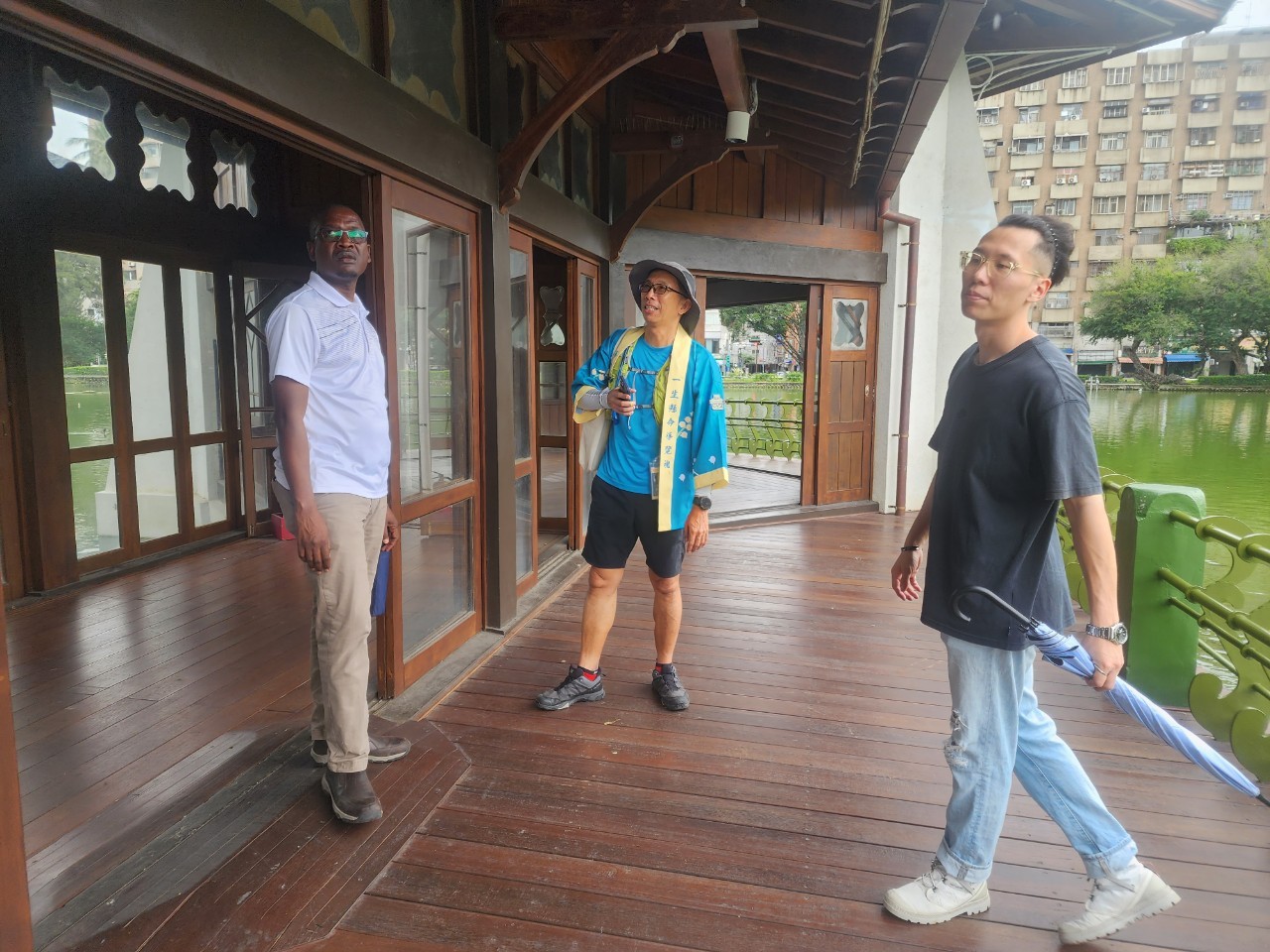
Here is the short answer: Taichung is not a city of big sights. The thing worth doing here is walking a small, dense area on foot and paying attention to what people are still doing in it. If you give the old town half a day on foot and the rest of the day to food and one side trip, you will have seen the city properly. If you arrive with a checklist of landmarks, you will probably leave puzzled.
Taichung sits in the middle of Taiwan's west coast, and most travellers reach it by high-speed rail from Taipei. This piece is what we would do with a day here, written by people who walk the same streets every week.
- Where it is: central-western Taiwan, about an hour south of Taipei by high-speed rail (the HSR, Taiwan's fast intercity train).
- Getting in: the high-speed rail stops on the southern edge of the city, and one stop on a regular local train takes you to the downtown railway station, where the old town starts. Taxis and buses also run.
- How long to give it: half a day on foot for the old town, a full day with food, two days if you want a side trip.
- What it costs: walking costs nothing; a self-guided phone route runs around NT$399 per person (roughly US$13); one-off classes and workshops range from free to about NT$2,000 (roughly up to US$65).
- Best time: November to March is the most comfortable for walking. Summer afternoons are hot and bring short heavy showers.
What is Taichung's old town, exactly?
"Old town" here means the few blocks around the downtown railway station. It is not a preserved heritage village and not a pedestrian zone. It is an ordinary, slightly worn working district of narrow lanes, two-storey shophouses, covered walkways along the street front, and a canal called the Green River running through it.
The distinction matters because Taichung has no single centre. The shopping and nightlife districts are several kilometres west, which is where most hotels and most lists send you. The old town is the part you can cross on foot, and it is the part where the city's older trades still operate.
What would a guide actually do with a day here?
Start early and walk. From the station, follow the covered walkways in, cut across to the canal, then work slowly through the lanes toward the markets. The straight-line distance from one end of our usual route to the other is under 400 metres, and it still takes two hours, because there is something to stop for at nearly every corner.
Eat in or around the Second Market, a covered public market where a lot of the stalls have been run by the same families for generations. Sit down rather than grazing; the point is to order one thing properly rather than photograph six.
In the afternoon, pick one thing, not three. A craft or cooking workshop is a good use of a hot or wet afternoon. If you would rather leave the city, Sun Moon Lake, the town of Lukang, and the hot spring valleys inland are all day trips from here, though most of them need a car or a tour to be worth the effort.
What our guides notice
The thing we notice most, walking the same route week after week, is how much of the old town is still at work. Not restored, not curated: open shutters, a radio on, someone repairing something at a bench facing the street. Hardware shops, metalworkers, fabric sellers, pastry makers. You can stand on the pavement and watch a trade happen without buying anything, and nobody minds.
The second thing we notice is the ceilings and the second floors. Because the lanes are narrow and the covered walkways are low, almost nobody looks up. When the street is quiet enough to step back, the tiled facades, the window grilles and the painted characters from older signs come into view all at once, and regular visitors are often surprised they had walked past them several times already.
Both of those are the reason we think the walking matters more than the list. From a car or a scooter, this district looks like traffic.
Do you need a car?
Not for the old town, and we would argue it is better without one. The streets here are a tangle of one-ways with very little parking, and the whole route we walk is reachable from the station on foot. Buses and the metro cover the wider city, and a stored-value transit card works on both.
Outside the city it is different, and we will be honest about it: the mountain and coastal townships, Sun Moon Lake, and the other central counties have public transport, but with waits and transfers that eat a day. Those trips are what our sister travel agency, Formozaic, runs with drivers and licensed guides. Within Taichung's old town, you do not need any of that.
What about the food everyone mentions?
Taichung is often named as the place bubble tea was invented, the tea-and-milk drink with chewy tapioca pearls. Two different shops claim to have made it first and there is no settled answer, so treat the origin story as an open question and just drink the tea; it is good here either way.
The local pastry worth trying is the sun cake, a flat round pastry with a soft malt-sugar filling. Again, more than one bakery claims to have been first. Bakeries cluster along one street near the station, and most will sell you a single piece rather than a gift box if you ask.
Night markets are a separate evening activity and are mostly not in the old town. Fengjia, near the university district, is the big one and gets very crowded at weekends.
What do people get wrong about Taichung?
They treat it as a transit stop between Taipei and the south, and then schedule ninety minutes in it. Ninety minutes is enough to see a station and a street. They also look for a view: Taichung does not really have one, and a traveller waiting to be impressed by a skyline or a temple complex will be disappointed.
The other common mistake is arriving on a Monday with a specific shop in mind. Market stalls and old shops close on different days and some keep irregular hours, so check before you go, and have a second option.
If you would rather not plan the order yourself, our tip-based old town walk runs on a fixed schedule, takes about two hours, and you decide afterwards what it was worth; there is also a self-guided phone version for people who prefer their own pace. You can see where it goes on our tip-based old town walk page.
Frequently asked questions
- Is one day enough for Taichung?
- One day is enough to see the old town properly on foot, eat well, and do one workshop or market visit. Two days make sense if you want a side trip to Sun Moon Lake or Lukang, since those eat a full day each. Half a day works if you are only passing through, as long as you spend it walking rather than taxiing between landmarks.
- Can I do Taichung as a day trip from Taipei?
- Yes, and a lot of people do. The high-speed rail takes about an hour each way, so leaving Taipei early gives you a comfortable full day in the old town with time for lunch and a market. Buy the return leg in advance on weekends and holidays, when trains fill up.
- Is Taichung walkable?
- The old town is, and that is the part worth walking. From the downtown station you can reach the canal, the lanes of older trades and the public markets within a few hundred metres. The rest of the city is spread out and needs buses, the metro or a taxi, which is why we suggest treating the old town as the walking day.
- Do I need to book a tour in Taichung?
- No, you can walk the old town yourself, and this piece is written so you can. A guide mainly helps with the things that are invisible from the pavement: which trades are still operating, what a building used to be, and when to turn down a lane that looks like nothing. Booking ahead matters more for workshops, which have small class sizes.
- What should I skip in Taichung?
- Skip the long taxi rides out to single photo spots, especially if you only have a day; the travel time usually costs more than the stop is worth. Skip the night markets if you are short on an evening and would rather sit down for a proper meal. And skip planning around one specific shop, since opening days vary.